%2011.57.50%20PM.png)
When note-taking apps first appeared, they were limited to storing local information.
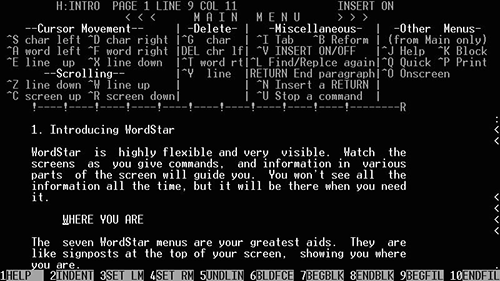
It is difficult to determine the first note taking software ever released. It was probably WordStar, which can be considered the first word processor, launched in 1979.
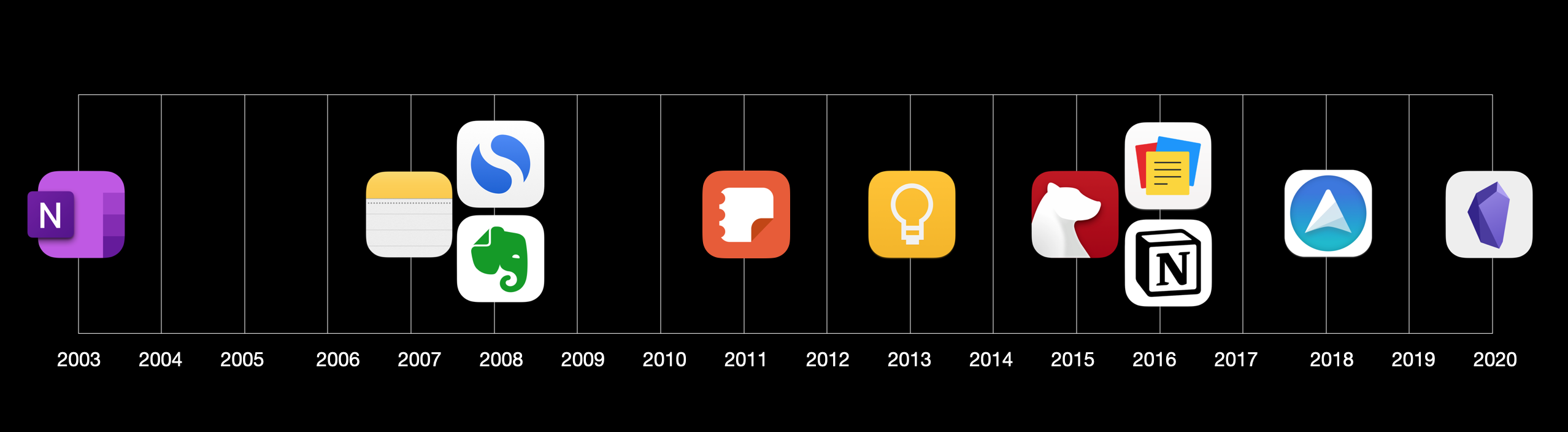
It was only in 1983 when Microsoft launched Word, and in 2003, when Microsoft released OneNote as part of its Microsoft Office suite. It allowed users to create and organize notes and embed multimedia content, but only limited to the local computer.
But this all changed when the California-based company Evernote launched its app in 2008, with the ability to sync notes across devices. The feature then positioned Evernote as an all-in-one option that took just three years to reach 11 million users. As a response, 3 years later, Apple introduced iCloud, making it possible to sync notes between multiple devices. Samsung followed introducing the once names S-Memo, which was later renamed to Samsung Notes. Yet another major player, Google, couldn't be left lagging behind, as it was a major player in the smartphone software industry, with Android accounting for a large portion of the smartphone market share. So Google released Keep in 2013 as a free note-taking app for Android devices, allowing users to take and sync notes, set reminders and create to-do lists.
The apps that followed had a much harder time gaining traction, as previous established apps had captured most of the market. As a result, smaller players focused on targeting specific niche markets.
One of which was Simple Note, focusing on minimalist design and simplicity. Bear was released in 2016 as a markdown-based note-taking app for iOS and Mac. UpNote as an alternative to Bear was launched in 2016, but made available on all platforms. Also in 2016, Notion was launched as a feature-rich productivity and organization app that can organize notes, as well as add tasks, wikis, complex databases and external plug-ins. It was aimed at businesses. The last player to enter the market was Obsidian, releasing in 2020, with an emphasis on connecting and organizing notes using wiki-style links linked by a mind map and allowing external plug-ins.
This study is going to focus on 11 widely used note-taking applications, which include:
A brief Porter analysis reveals this is a very challenging market.
Factors that hinder the entry of new players:
Factors that simplify the entry of new players:
Due to the fact that there are a multitude of substitutes: memorizing information, old-fashioned pen and paper, and even writing on whiteboards.
There are no official figures about the number of users for note taking apps, but we will use two different methods to estimate the current users.
Top-down market sizing is a method for estimating a market size starting with a broad, macro-level view and breaking it down into more granular subgroups. This strategy is typically used when there is little knowledge available about the subject in question and may be beneficial for firms looking to join a new market or industry.
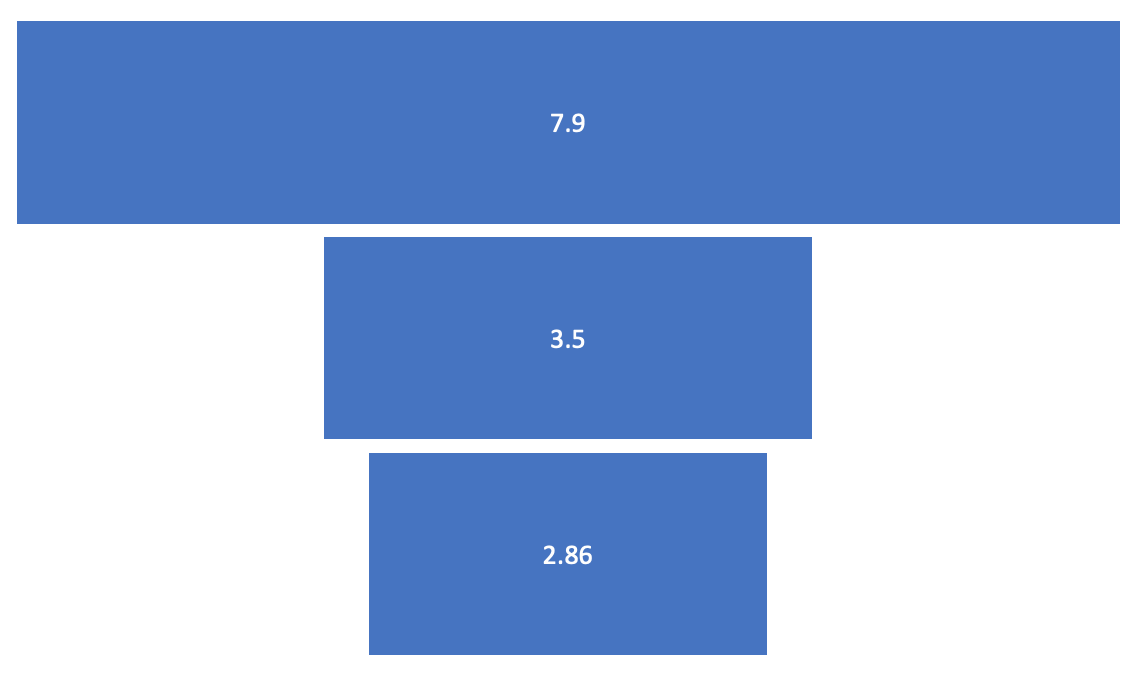
For this case, we will begin with the total number of people connected to the Internet. There are between 5.22 and 7.9 billion smartphone users in the world, all of which are potential customers. We will stick to 7.9 billion. However, we are looking at multi-platform apps, for which we have to narrow the number down to the number of people with computers, a smaller percentage. For this, we will assume that all people with PCs also own smartphones.
In 2021, it is estimated that about 3.5 billion people, or just over half the world's population, owned some kind of personal computing device, including desktop computers, laptops and tablets. We limit the number and exclude two etary groups:
According to UN 2021, the percentage of the world's population in these age groups is 8.3% (663.11 million over 8 billion) and 10%, respectively. So we can limit the market to 18.3% of 3.5 billion.
Now, assuming that computer ownership is evenly distributed across all age groups, we can nail down the total usable market to 2.86 billion.
Sources:
Bottom-up market sizing is a technique for calculating the size of a market or industry by first having a thorough grasp of each of the constituent parts of the market and then adding them together to get an overall estimate. When there is considerable information about the market in question, this strategy is often used, and it can provide a useful tool for firms looking to enter a new market or industry.
However, this approach is more time and information intensive, but it is more accurate and provides a more conservative estimation than the Top Down method.
Let's start with already existing apps, those from the previous list. We must, as a starting point, however, estimate the number of people using each platform.
Assume the platforms on which the app is available and calculate the usable available market. The table below will use either 0 or 1, depending on whether the app is available on the corresponding platform. The SAM (Serviceable available market) consists of the total number of usable users with support in that operative system.
Users (billions)4.951.62.81.20.10.0310.721.38App / OSWebWindowsAndroidiOSmacOSLinuxSAM (billions)Percentage of Total MarketZoho Notebook11111110.7100%Microsoft OneNote11111010.7100%Notion11111010.7100%Evernote11111010.7100%Google Keep1011109.185%Simple Note1011019.084%Apple Notes1001106.358%Bear1001106.358%Obsidian0111115.754%UpNote0111115.754%Samsung Notes0110004.441%
Apple Notes, Samsung Notes and Microsoft OneNote have the trump card because their apps come preinstalled on devices with iOS, Galaxy and Windows respectively. That poses a considerable threat for other competitors: If only 1% of iPhone users made use of Apple Notes, it would mean 12 million people. For the case of Google Keep in Android, the figure increases to 28 million people.
Estimating the current users for each app. For the case of Google PlayStore, the marketplace already revealed information about the number of downloads. However, for the case of Apple AppStore, a series of estimations were performed to determine the current users.
For the case of Google PlayStore, the number of downloads for each app is at least the following
AppGoogle PlayStore Accumulated DownloadsAppleNotesNABearNAKeep 1 000 000 000SamsungNotes 1 000 000 000OneNote 500 000 000Evernote 100 000 000Notion 10 000 000SimpleNote 1 000 000ZohoNotebook 1 000 000Obsidian 100 000UpNote50 000
However, there is no information for apps on the AppStore, so we will estimate the downloads based on these 5 criteria:
Now we have 4 estimations for each app. We are going to create 4 variables from that estimations:
From those 4 estimations, we will exclude outliers and calculate an average.
Having estimate number of downloads for apps on the AppStore and PlayStore, we will assume that 75% of downloads translate in users. These are the apps with more users, ranked from highest to lowest.
AppiOS UsersAndroid UsersMobile UsersKeep59 499 987 750 000 000 809 499 987SamsungNotes- 750 000 000 750 000 000OneNote 170 129 655 375 000 000 545 129 655Evernote11 406 249 75 000 000 86 406 249AppleNotes52 848 426 - 52 848 426Notion1 914 538 7 500 000 9 414 538Bear3 692 259 - 3 692 259ZohoNotebook2 925 164 750 000 3 675 164SimpleNote635 156 750 000 1 385 156Obsidian143 918 75 000 218 918UpNote95 184 37 500 132 684
Now, these numbers are more conservative as compared with Method A. But note that the sum of Mobile Users is 2.2 billion people, not too far from the 2.86 we calculated using the Top Down Approach.
If the estimations are correct, 93% of the market is split between the 3 dominant apps: GoogleKeep, SamsungNotes and OneNote. While the 8 remaining of this list account for only 7% of the users.
It may seem ironic to think that
If these apps come pre-installed, what would Google, Samsung and Microsoft allow other note apps to be installed on their hardware?
There are 2 answers:
As ironic as it may seem, the top 3 players don’t earn money through their apps. (In the case of OneNote it depends on whether the user is subscribed to OneDrive). Instead, they earn more money through other note apps. Why is that? Because when users subscribe to other apps like Notion or Evernote, Google and Apple receive a comission. That is in part the reason why default apps have so many users but so few features.The owner of the marketplace cannot limit which apps can or cannot be published based on obscure criteria, such as being a rival firm.
By functionality
AppNew Features per YearObsidian 6.7UpNote 3.4ZohoNotebook 2.8Notion 2.6Bear 2.0Evernote 1.2Keep 1.0AppleNotes 0.9OneNote 0.7SimpleNote 0.6SamsungNotes 0.6
By number of users
AppNew Users per YearKeep 80 949 999SamsungNotes 62 500 000OneNote 27 256 483Evernote 5 760 417AppleNotes 3 303 027Notion 1 344 934ZohoNotebook 525 023Bear 461 532SimpleNote 92 344Obsidian 72 973UpNote 26 537
After estimating the number of users, we are going to estimate the gross margin or each company. For this, we will assume a 6% conversion rate (percentage of users that become paying customers) to the cheapest plan, which generates this table:
AppMobile UsersNumber of Paid UsersUSD Price/month (yearly subscription basis)Monthly IncomeOneNote 545 129 655 32 707 779 $ 6.00 196 246 676Evernote 86 406 249 5 184 375 $ 6.67 34 558 179Notion 9 414 538 564 872 $ 8.00 4 518 978ZohoNotebook 3 675 164 220 510 $ 16.66 3 674 429AppleNotes 52 848 426 3 170 906 $ 0.99 3 139 197Obsidian 218 918 13 135 $ 25.00 328 377Bear 3 692 259 221 536 $ 1.25 276 735SimpleNote 1 385 156 83 109 $ 0.83 69 258UpNote 132 684 7 961 $ 0.99 7 881Keep 809 499 987 48 569 999 $ - -SamsungNotes 750 000 000 45 000 000 $ - -
To estimate costs, we start from the number of employees. For simplicity we will assume that all all of them are software engineers working in the headquarters earning the average software programmer salary. For some big companies, wuch as Microsoft, Apple, Google, Samsung and Zoho, we suppose that a small share of the employees work in the notes apps.
AppSize of the CompanyNumber of ProductsNotes part of one pointPercentage of Company Working on NotesHeadquartersMean monthly Software Developer Salary (USD) in that CountryMonthly CostOneNote 221 000160.252%United States9000 31 078 125AppleNotes 164 000140.252%United States9000 26 357 143Keep 150 028190.251%United States9000 17 766 474SamsungNotes 266 673160.252%South Korea4250 17 708 754Evernote 40011100%United States9000 3 600 000Notion 20011100%United States9000 1 800 000SimpleNote 2 0292115%United States9000 869 571ZohoNotebook 12 0004212%India2250 642 857Obsidian 2311100%United States9000 207 000Bear 611100%Ireland6000 36 000UpNote 611100%Vietnam1750 10 500
Having an estimate of the monthly cost and income, we can do the math to figure out their Gross Margin. For this calculation we used many suppositions, but it is an interesting exercise to make a notion of which players earn the most and the attractiveness of the industry.
AppMonthly CostMonthly IncomeGross MarginOneNote 31 078 125 196 246 675.66 165 168 551Evernote 3 600 000 34 558 179.39 30 958 179ZohoNotebook 642 857 3 674 428.81 3 031 572Notion 1 800 000 4 518 978.39 2 718 978Bear 36 000 276 734.80 240 735Obsidian 207 000 328 377.48 121 377UpNote 10 500 7 881.45- 2 619SimpleNote 869 571 69 257.81- 800 314SamsungNotes 17 708 754 - - 17 708 754Keep 17 766 474 - - 17 766 474AppleNotes 26 357 143 3 139 196.53- 23 217 946
Google PlayStore has a list of the top grossing apps, where we can see some of these apps positions, which matches the top 2 apps we estimated to be the most profitable: Microsoft OneDrive is in the 16th place, while Evernote is in the 119th.
Given that fact that the purpose of notes apps is to sync content, the most important feature is the platforms the app is available in.
AppWebWindowsAndroidiOSmacOSApple NotesYesNoNoYesYesMicrosoft OneNoteYesYesYesYesYesGoogle KeepYesYesYesYesYesBearYesNoNoYesYesObsidianNoYesYesYesYesNotionYesYesYesYesYesSimple NoteYesNoYesYesNoEvernoteYesYesYesYesYesZoho NotebookYesYesYesYesYesSamsung NotesNoYesYesNoNo
Knowing which platforms the apps are available in, we can estimate the potential market and contrast that to the actual market.
I analized 29 different features, including the following:
Free service without paid plans
Standalone app with paid subscription SaaS (software-as-a-service) plans:
*Note that some of these prices may have changed when you read this article.
AppStrengthWeaknessOpportunityThreatAppleNotesIt comes pre-installed in all Apple hardware and it Integrates well within the Apple ecosystem. Easy and intuitive interface. Part of a big tech company.Lack of advanced options, such as real-time collaboration or integration with third parties. Only for basic users.Potential for further integration with other non-Apple services to attract a wider user base. It could also include more advanced options.Low appeal from non-Apple customers (only available on Apple devices). It also faces competition from Google Keep, with larger user bases or more innovative apps like Notion.MicrosoftOneNoteFeature-rich, including support for multimedia. It integrates well within Microsoft suit, which comes preinstalled in all Window PCs. Multiplatform availability.Limited mobile app functionality and it requires a Microsoft account, which may be a barrier for some users.Expend its user base by including Linux or ChromeOS support, or outside the Microsoft ecosystem. Integrate with other productivity tools, such as project management or time tracking software.Strong competition from other note-taking apps, such as Notion or Evernote, which have smaller teams that may be able to develop features faster.GoogleKeepSimple and easy to use interface. Well established player and part of a big tech company. Well integrated within Google Workspace, such as Gmail and Google Calendar.Lacks some advanced features, such as note organization, formatting options, lack of customization options and difficulty organizing notes. Only for basic users.Potential for integration with Google Workspace and expanding its features to a more advanced set, in order to attract a wider range of users. Improving privacy protection.Limited feature set compared to other note-taking apps, such as lack of backup options. Competition from Apple Notes.ZohoNotebookIntuitive and user-friendly interface, ability to collaborate on projects Know-how from being part of Zoho, and integration with other Zoho products. Available in all platforms, including Web and Linux.Limited user base and brand recognition.Potential for integration with other Zoho apps.Limited brand recognition compared to other note-taking services, such as Evernote or Notion.BearClean and award winning minimalist user-friendly interface, with markdown support.Limited features compared to other note-taking apps, such as poor collaboration capabilities.Expand collaboration capabilities and Expand device support outside Apple ecosystem to increase its user base.Limited feature set compared to other note-taking apps, particularly the free Apple notes and Evernote.ObsidianMarkdown support, strong linking features and compatible with a library of external plugins. It has advanced features like backlinking and Zettelkasten. Multiplatform availability.Limited mobile app functionality, a limited collaboration and a steep learning curve, which may limit its potential reach.Expand collaboration capabilities, making it more user-friendly and increasing its user base.Limited brand recognition compared to other note-taking apps, such as Evernote or Notion.AppStrengthWeaknessOpportunityThreatNotionWide range of advanced features, such as templates, databases and connection to external apps. Multiplatform availability.Inability to work offline, and a steeper learning curves, making it difficult to learn for new users.Making it more easy to use for a wider range of usersStrong competition from other note-taking apps, particularly Evernote, OneNote and Obsidian.SimpleNoteMinimalistic and easy-to-use for users of all skill levels. Limited advanced features and integrations. Limited to basic users.Include more advanced features and integrationswith other apps, to attract a wider range of usersLimited feature set compared to other note-taking apps, such as Bear and Apple notes.Evernotewell-established note-taking app with brand recognition. Its wide range of advanced features include real-time collaborate and integration with other services.User complaints about the new Evernote version, particularly its speed.AI-based note-taking, enter into new markets such as education, enterprise or healthcare market where note-taking is an essential part of the daily tasksThe emergence of new apps with more advanced capabilities threat Evernote's market share.Evernote's subscription pricing model may also be a deterrent for some users, causing them to switch cheaper alternatives, such as OneNote or Notion.SamsungNotesIt comes pre-installed on all Samsung devices, making it easily accessible for users, especially for having a simple and intuitive interface. It is also part of a big tech company.Lack of some advanced features and integrations compared to other note-taking apps.Potential for further integration with other Samsung and Microsoft services. And Samsung could expand the app's capabilities to include more advanced featuresLimited platform availability (only available on Samsung devices).UpNoteAvailability of a wide variety of features, such as Markdown, in a simple and intuitive interface. It also has multiplatform availability.Limited user base and brand recognition, making it less accessible to a wide range of users.Potential for integration with other apps and improve its marketing efforts to reach more users.Limited brand recognition compared to other older note-taking apps, such as Evernote or Bear.
There are many ways to segment the market. On one hand, the target user can be companies or natural people. But on the other hand, considering note taking apps are a sandbox software, users can use the app in many ways, so I am of the view that notes apps should be classified in terms of functionality rather than the prior intended segment. In fact, many apps offer exclusive features for company customers and charge by the number of people using it. Even more, some users use the same app for taking notes on both their work and their personal life.
Targeted to personal users
Targeted for companies:
What do companies use notes apps for? They can be roughly classified
What are notes apps used for by natural people?
Used variables:
According to functionality most similar notes apps are:
On average, apps developed by big tech companies were released 4 years before, are more aesthetically pleasant and have a simpler design. They also have 27.4% less amount of features.
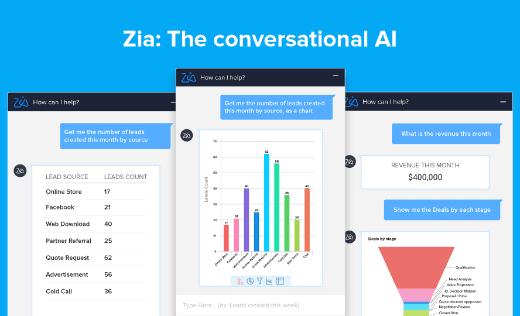
In 2017, Zoho introduced Zia, an artificial intelligence (AI) and machine learning (ML) powered virtual assistant available in the the Zoho productivity suite. That is, from Zoho Sheets to Zoho Notebook, Zoho CRM, Zoho Mail, Zoho SalesIQ, and Zoho Desk.
In Notebook, users can talk to Zia to execute functions such as searching notes, configuring reminders, sharing notes, suggesting which notebook (folder) to put a note in, list notes by filetype, emailing notes.
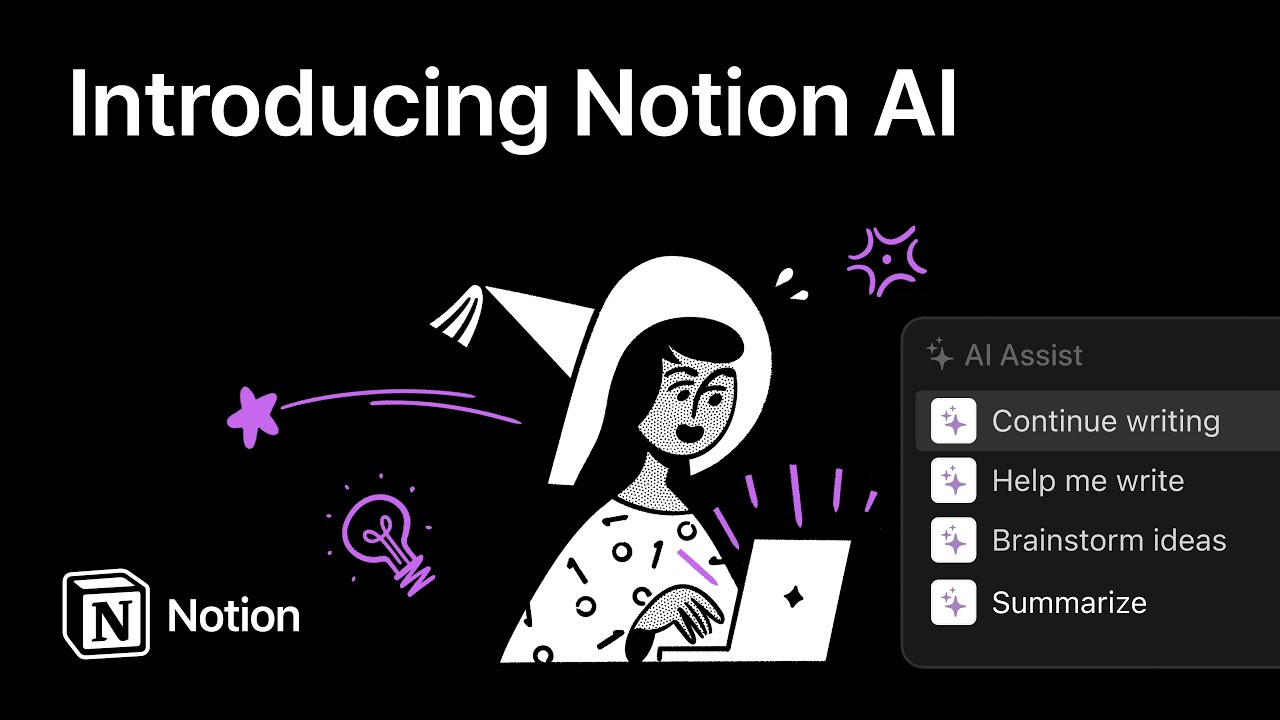
On November 2022, Notion launched the alpha version of Notion AI, an artificial intelligence (AI) based feature that is available in the note-taking and productivity app, Notion.
The AI-based feature uses natural language processing (NLP) to understand and interpret the user's intent and provide relevant information from their notes, tasks, and databases. It also allows users to quickly search for notes, tasks and databases using natural language, making it more efficient and convenient for users to find what they need. Some of the AI-based features include the ability to automatically tag and categorize notes, predict and suggest tasks, and also predict and suggest pages as users are typing. Additionally, Notion AI allows users to set reminders, schedule events and also turn notes into tasks seamlessly.
VRIO analysis is a tool used to assess the internal resources and capabilities of a firm to determine if they provide a sustained competitive advantage. The acronym VRIO stands for:
Value: The resource or capability must be able to generate economic value for the firm. It must be able to generate revenue or help the firm to save costs.
Rarity: The resource or capability must be rare or unique among competitors. It is rae if it is not easily attainable or obtainable by competitors.
Inimitability: The resource or capability must be difficult or costly for competitors to imitate or replicate.
Organization: The resource or capability must be well-organized and effectively utilized by the firm to generate economic value.
A resource that is valuable, rare, inimitable, and well-organized can be considered to provide a sustained competitive advantage for the firm, as it is difficult for competitors to imitate or replicate, and it is effectively utilized by the firm to generate economic value.
We will analyze the following resources present in one or some note taking apps:
ResourceValueRarityInimitabilityOrganizationVirtual AssistantYesYesYesYesAI text generationYesYesYesYesOCRYesYesNo-Big user baseYesYesYesYesRich functionalityYesNo--Positive reviews and awardsYesNo--Backed by a big tech companyYesYesYesIt depends
From this analysis we can conclude that only: (1) having a virtual assistant, (2) AI text generation, (3) a big user base and (4) being backed will provide a sustained competitive advantages, if effectively utilized, it will generate economic value. In this case, Zoho, Notion and Evernote have this resources. They all have in common their targeting of corporate customers.
Another important point to consider is that some apps have been awarded in the App Store Awards.
AppAwardsEvernote7Google Keep6Notion6Bear4Zoho Notebook4
%204.12.34%E2%80%AFp.m..png)
Built by Samuel.
All Rights Reserved.
© 2025 Signal Symphony.